Ganvié Rises Above the Tide and Tide
(For The Continent)
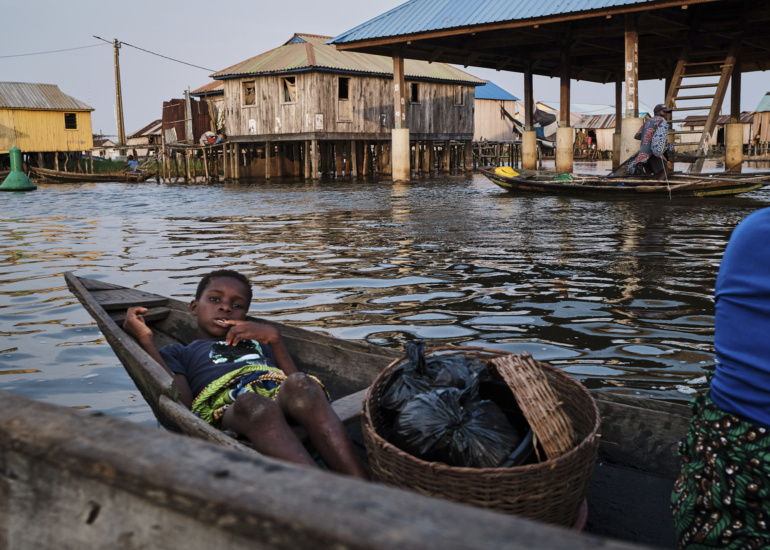
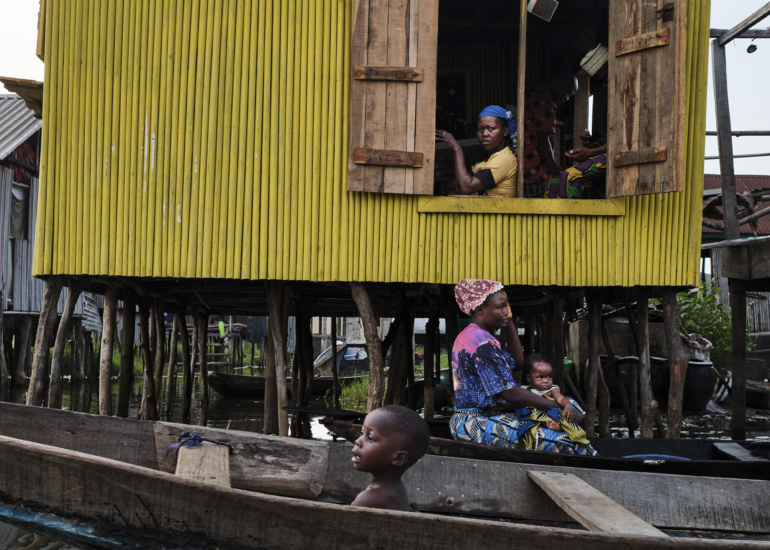
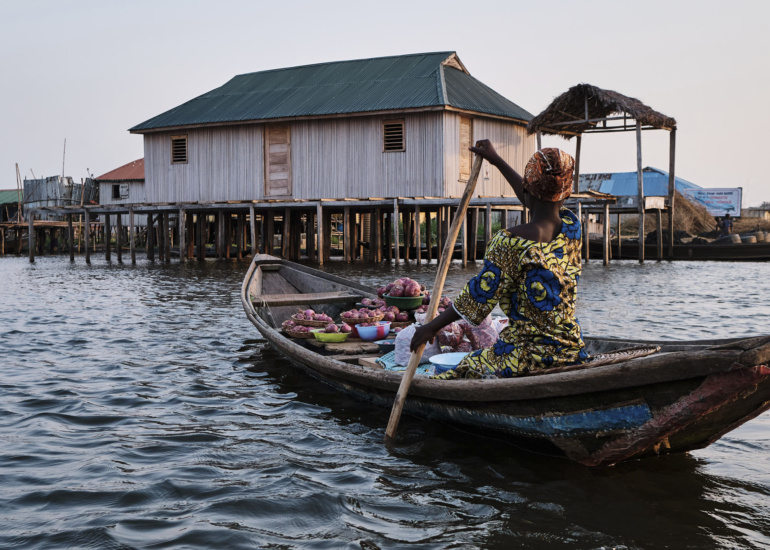
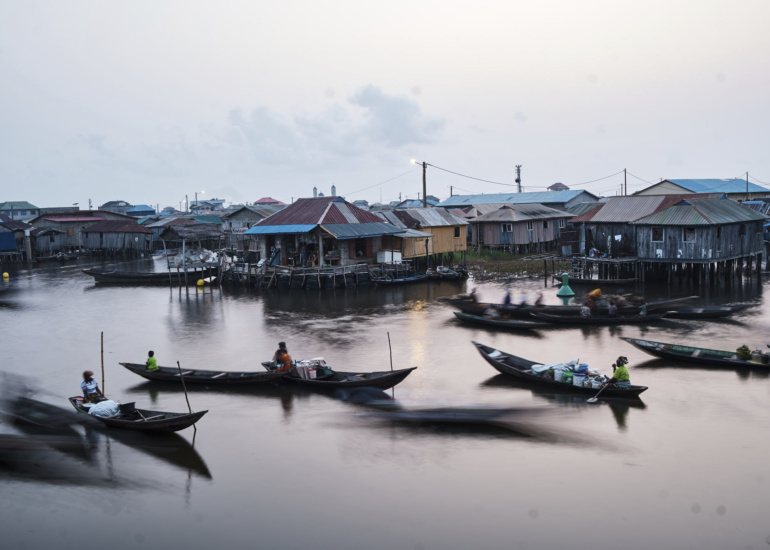
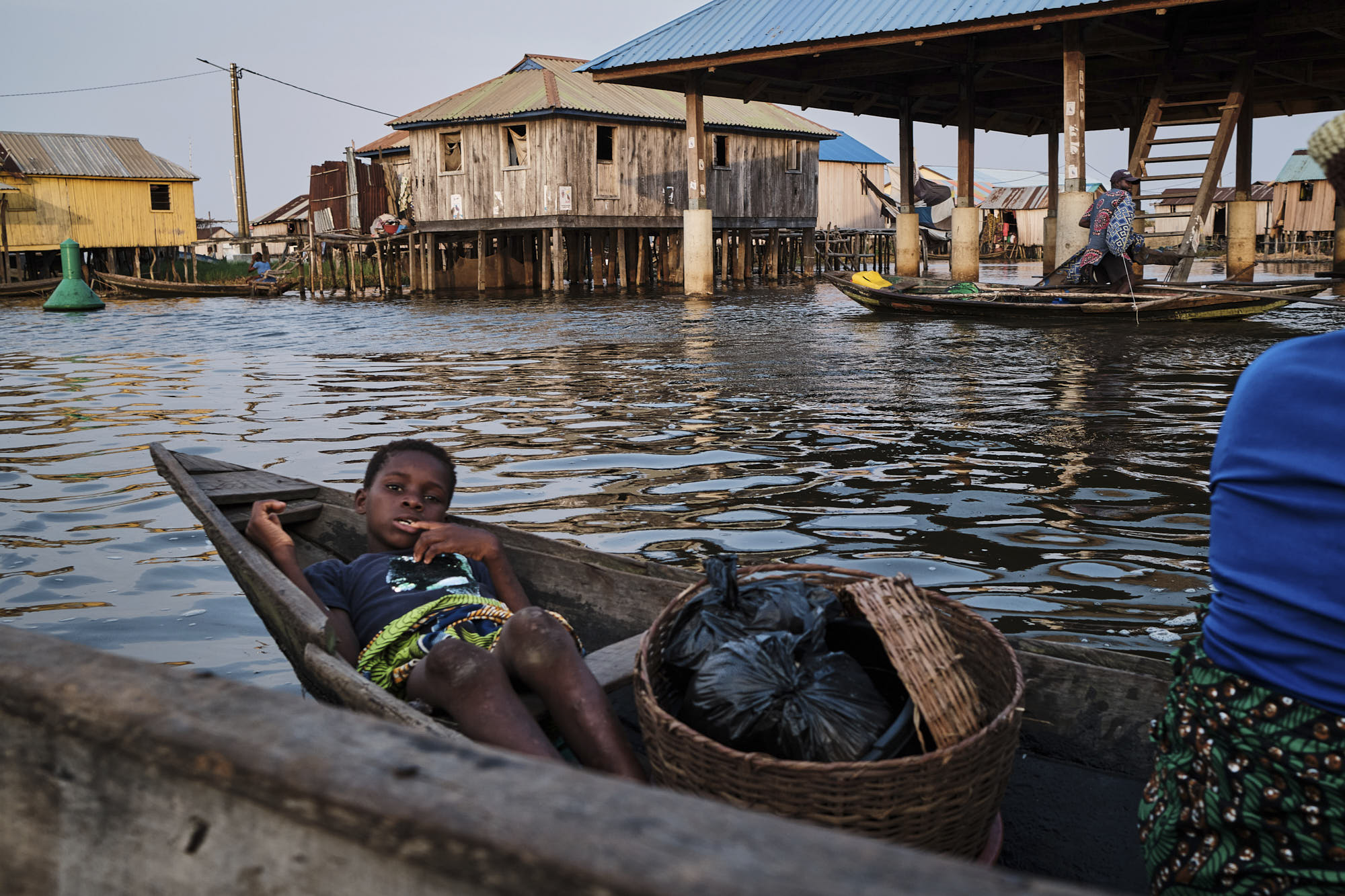
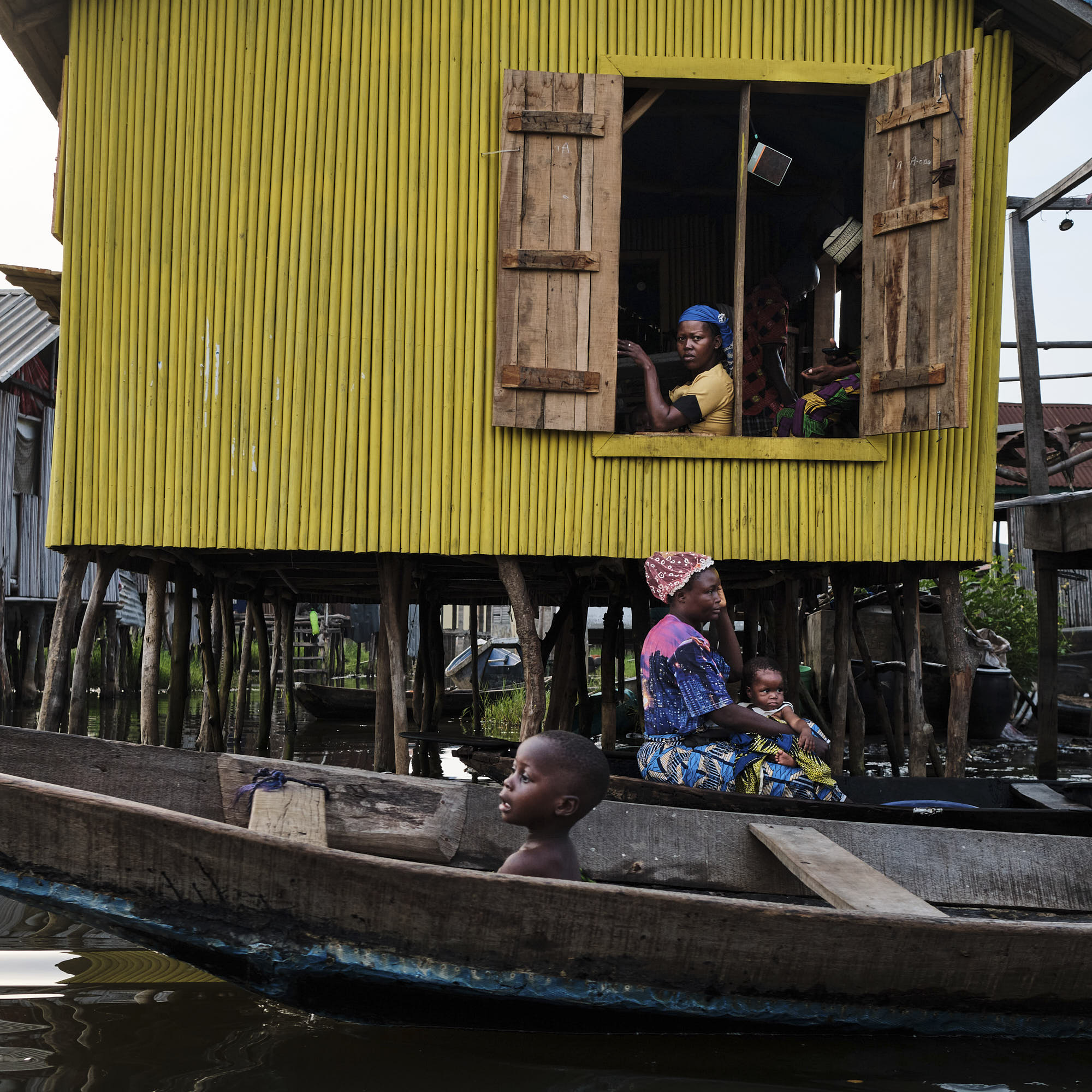
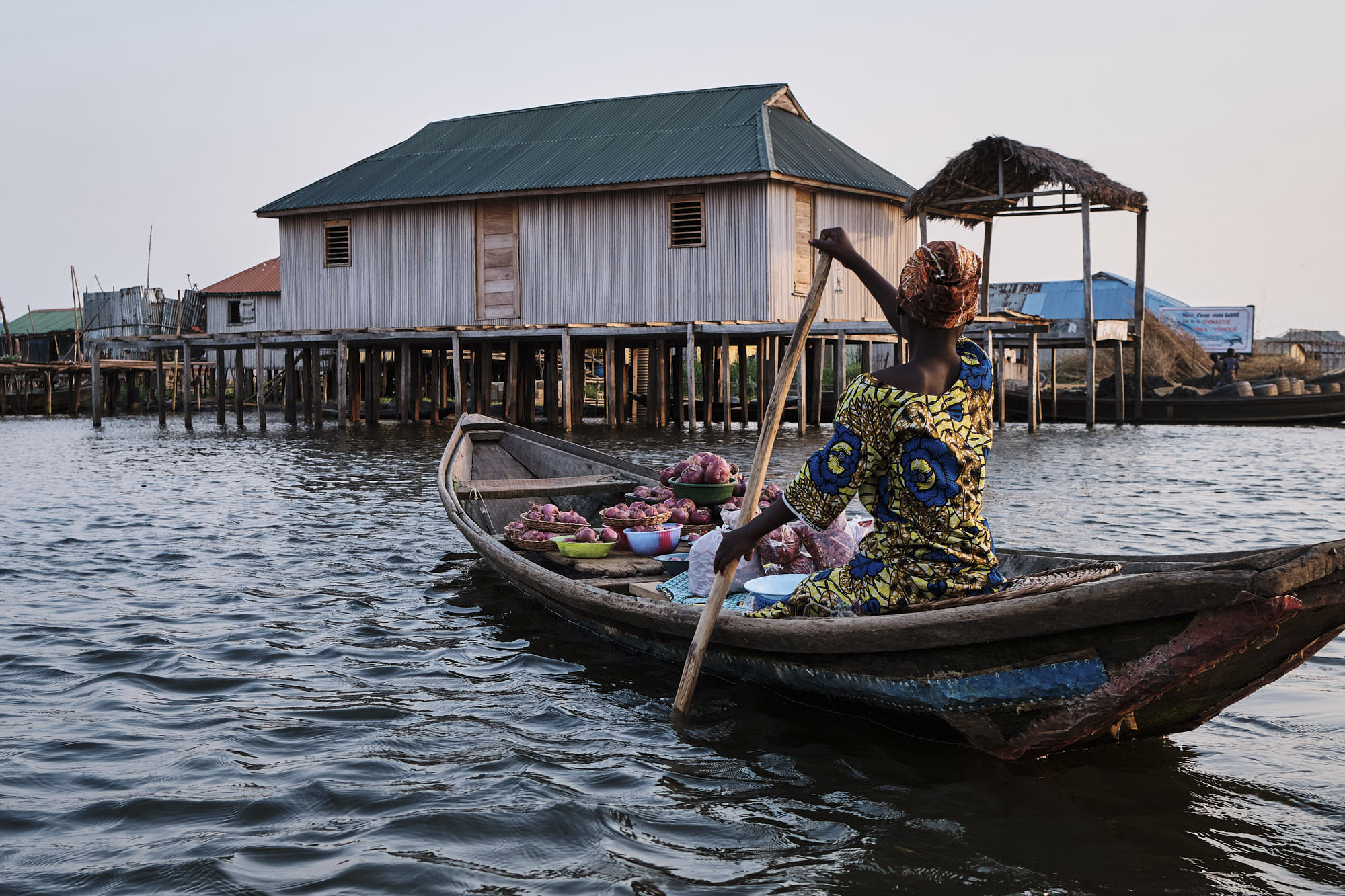
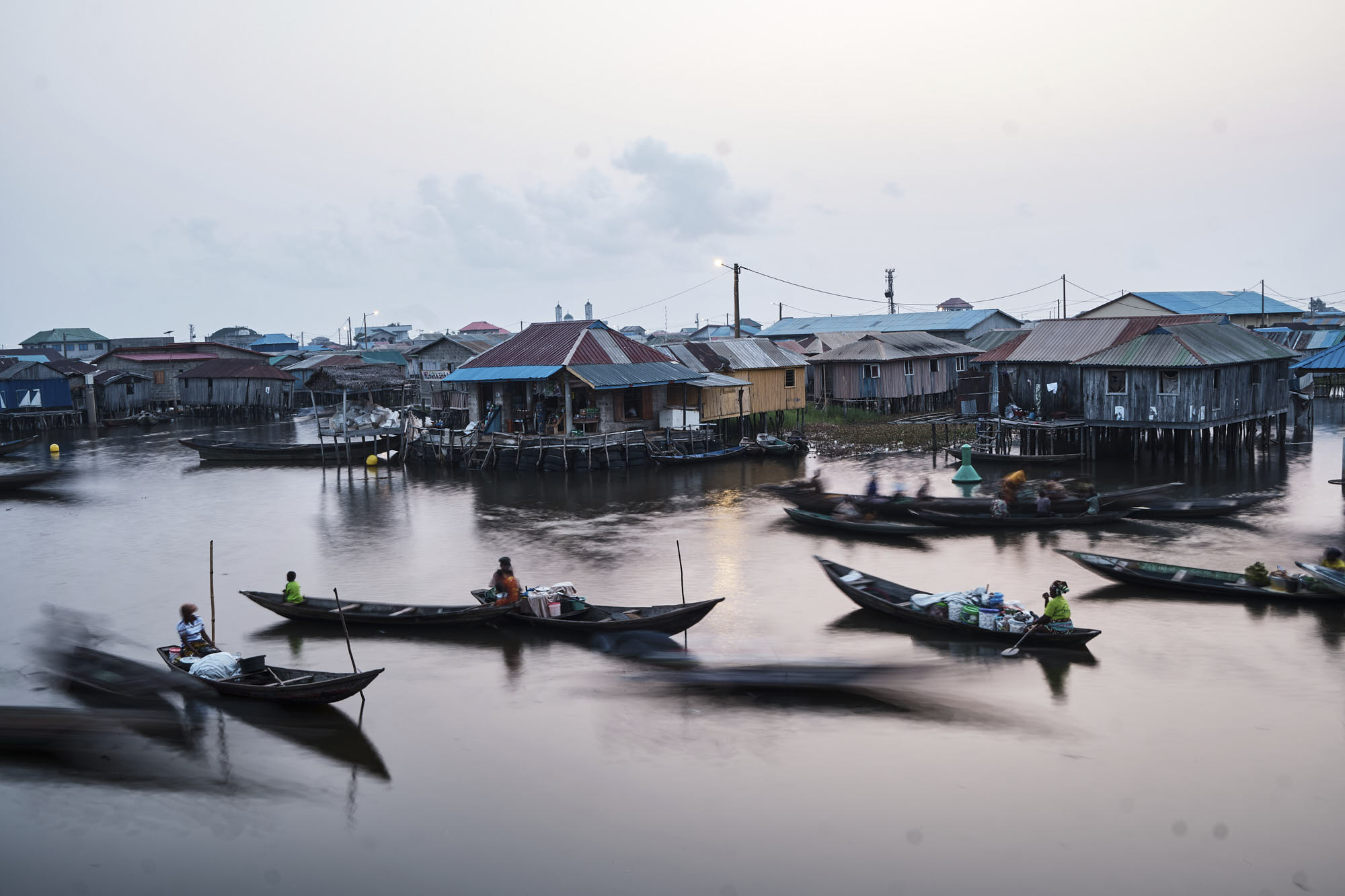
GANVIÉ in Benin is often called the “Venice of Africa”. Like the Italian city, its houses stand on stilts. Like the early Venetians, the people who first settled there were seeking refuge from a violent world order. Ganvié, a Tonifu word, means “we survived”.
But the village is centuries newer than Venice. Ganvié was built in the 17th century by Tofinu people fleeing from Fon slave captors. Fon religious beliefs forbade battle on water and so the slave raiders didn’t pursue people who ran into Lake Nokoué.
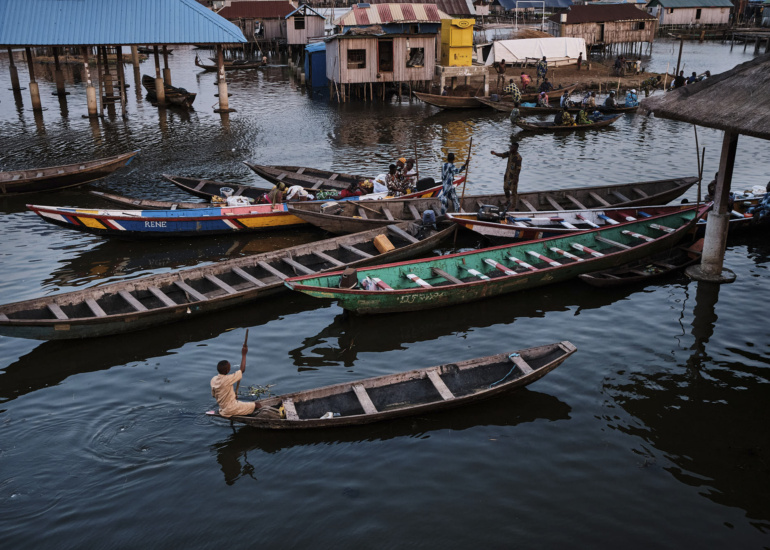
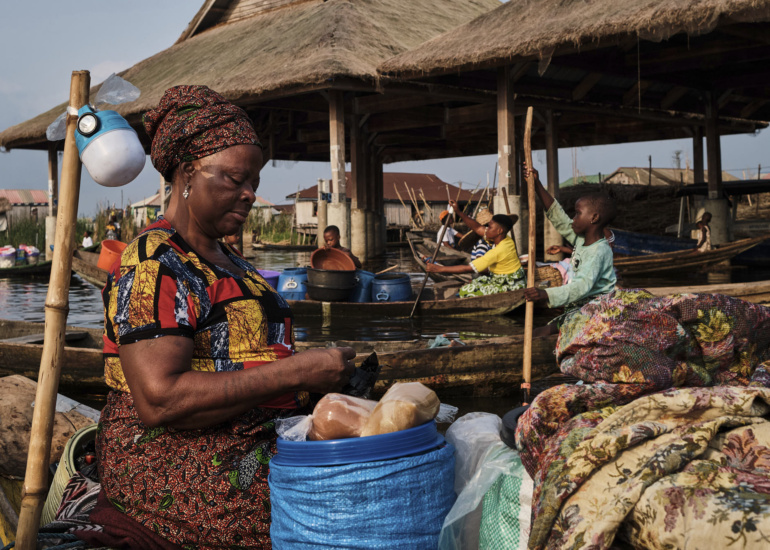
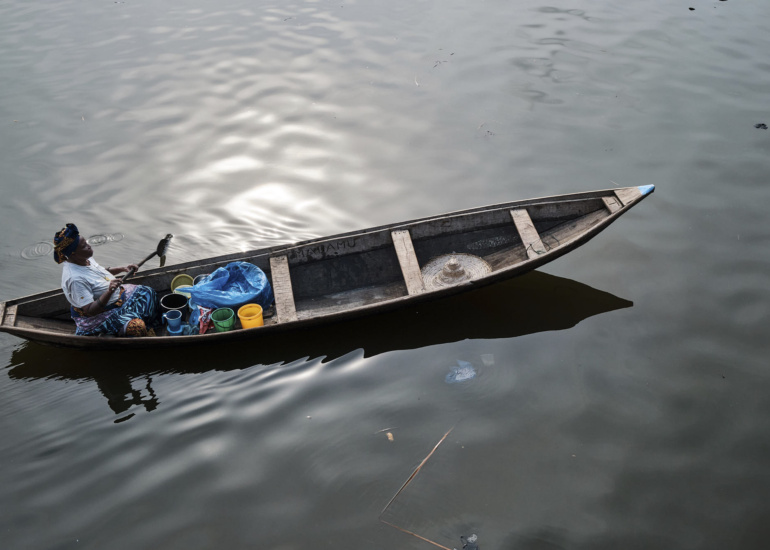
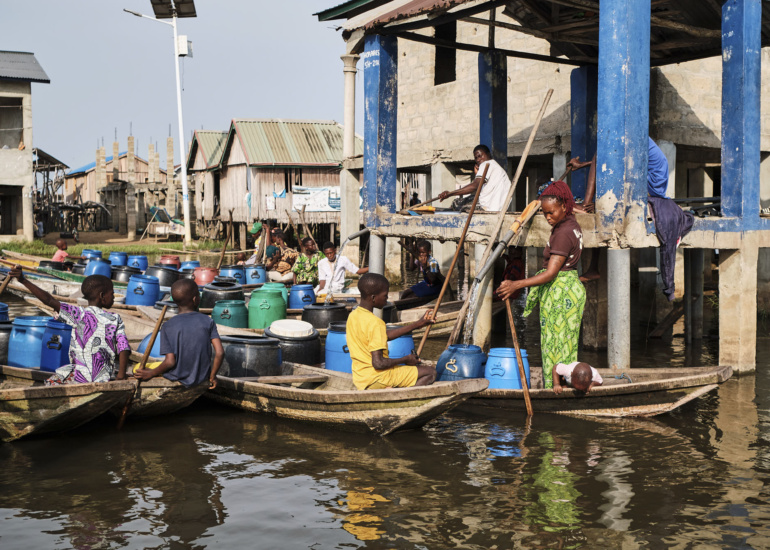
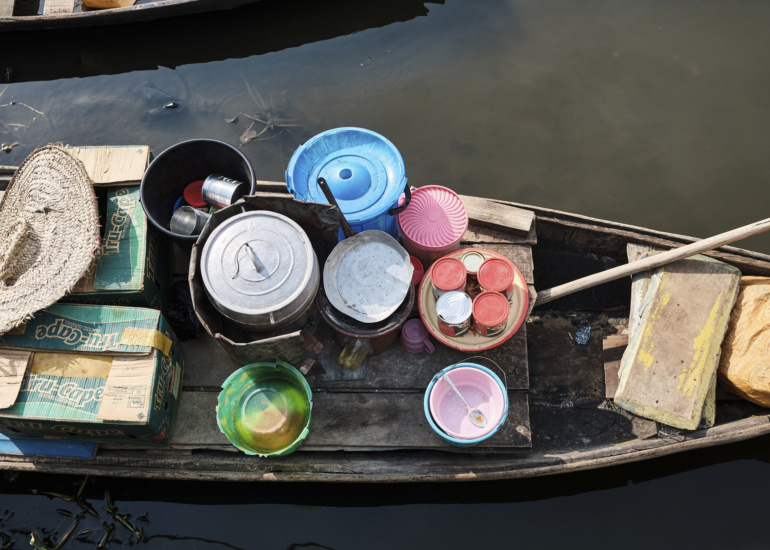
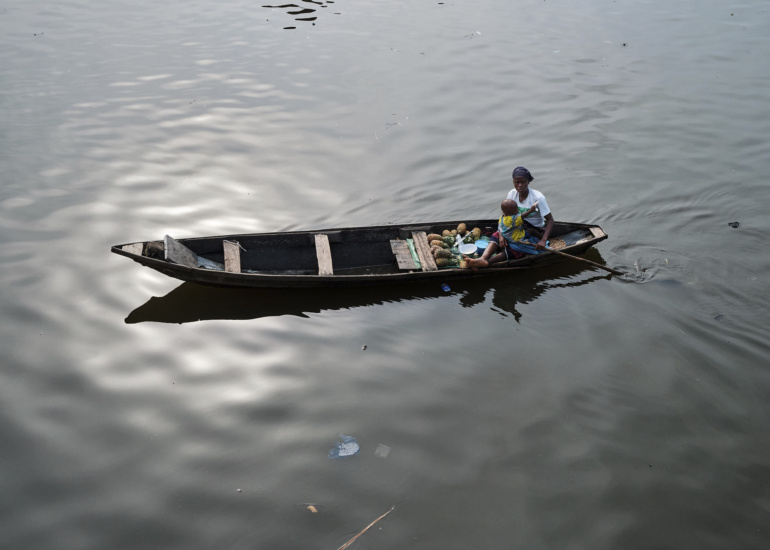
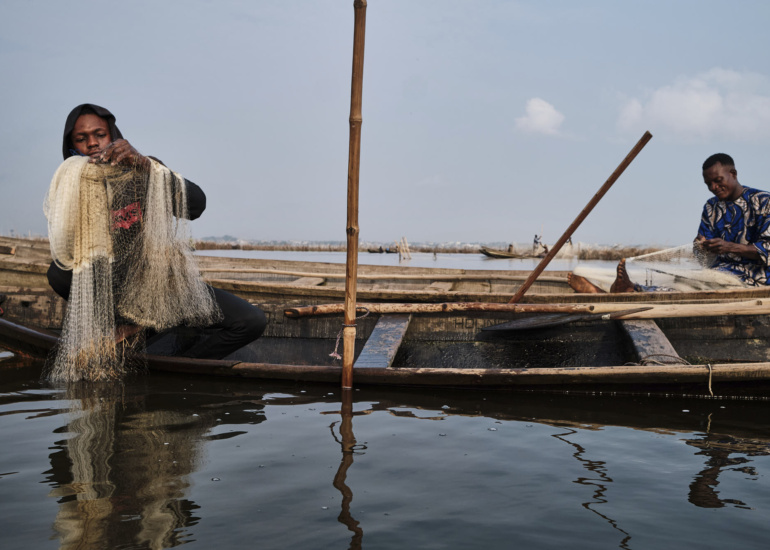
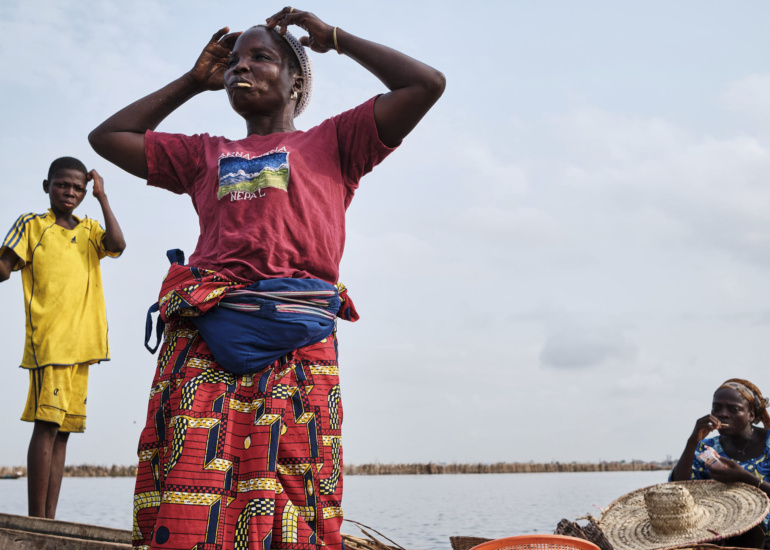
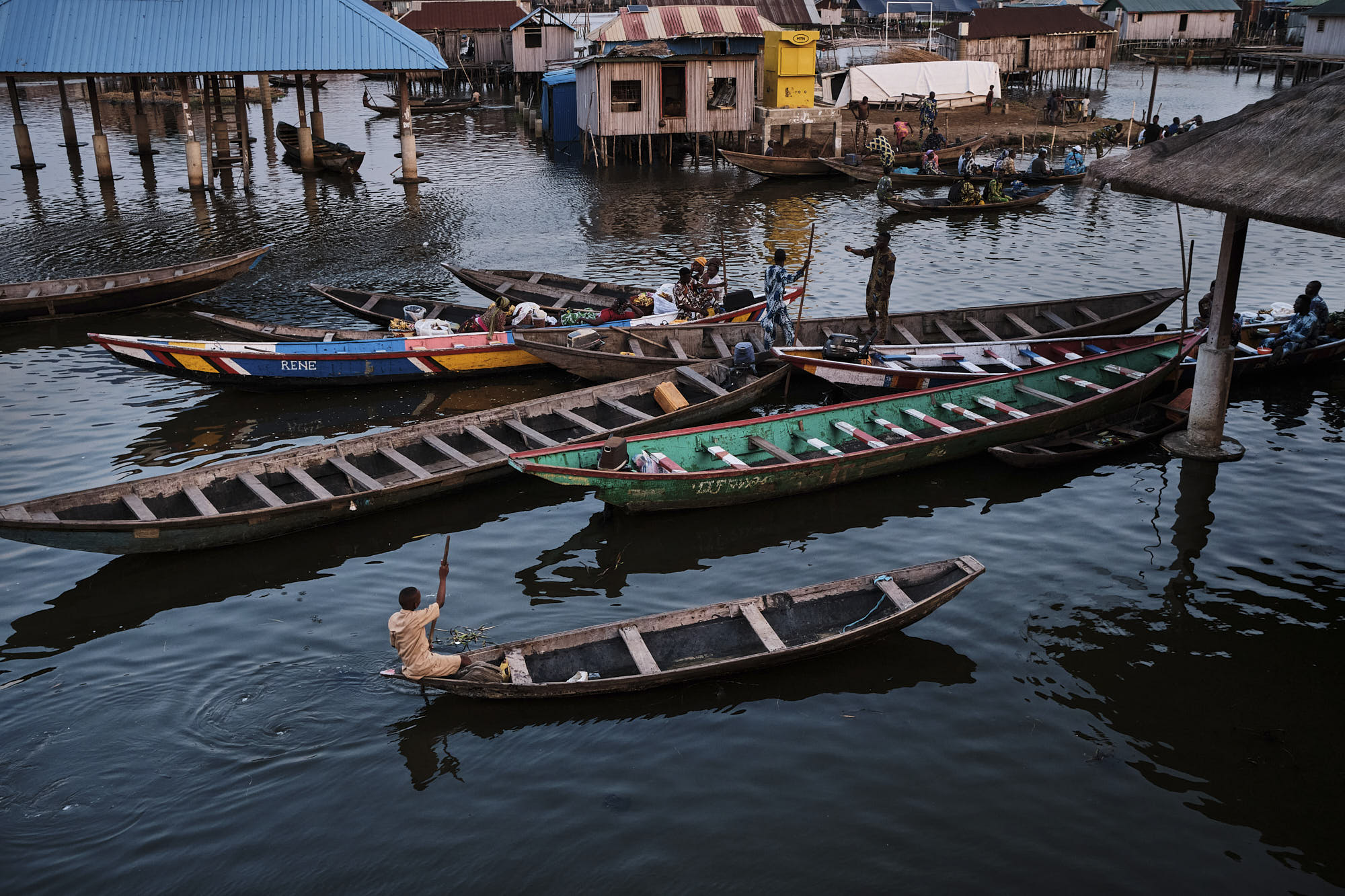
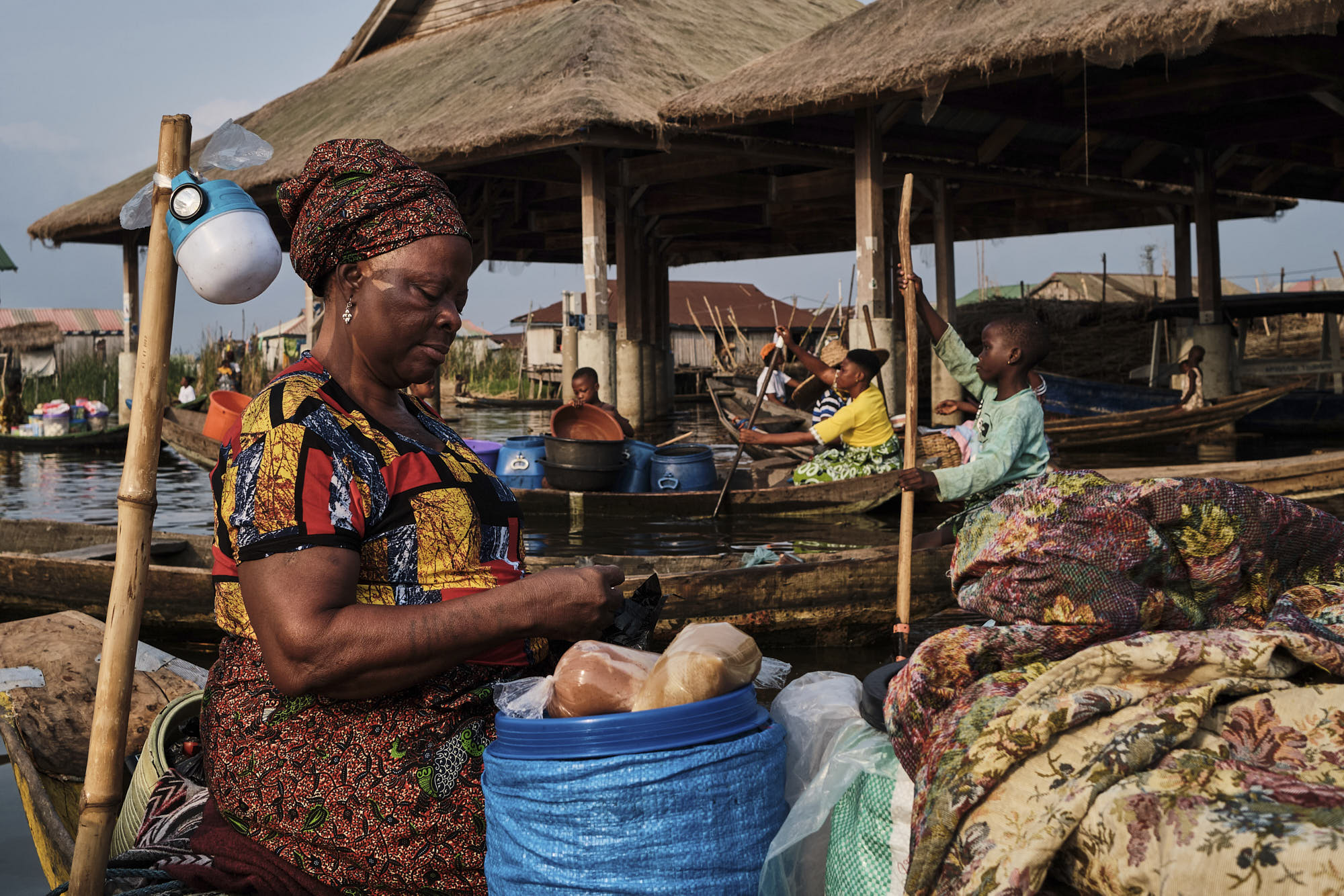
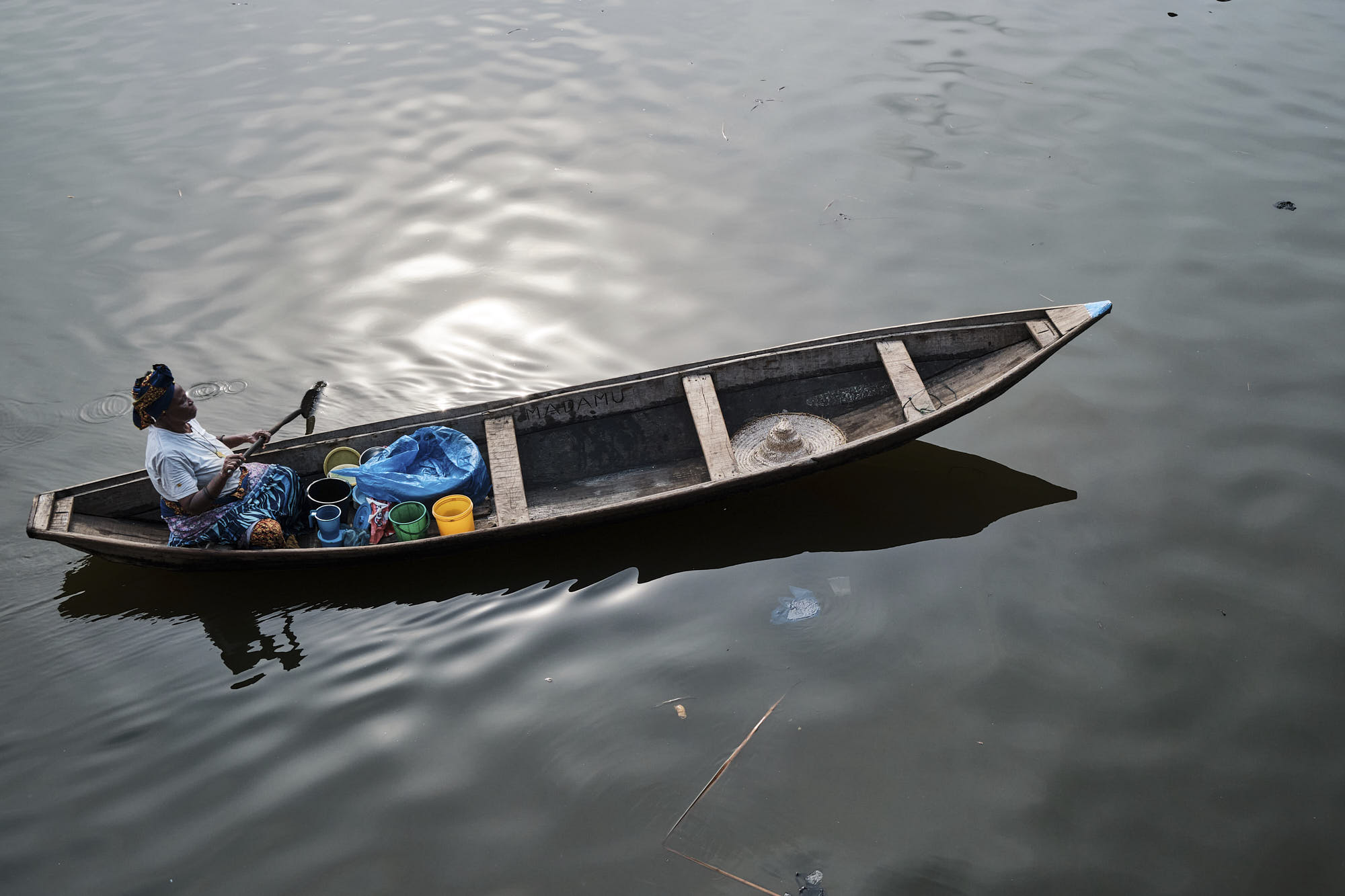
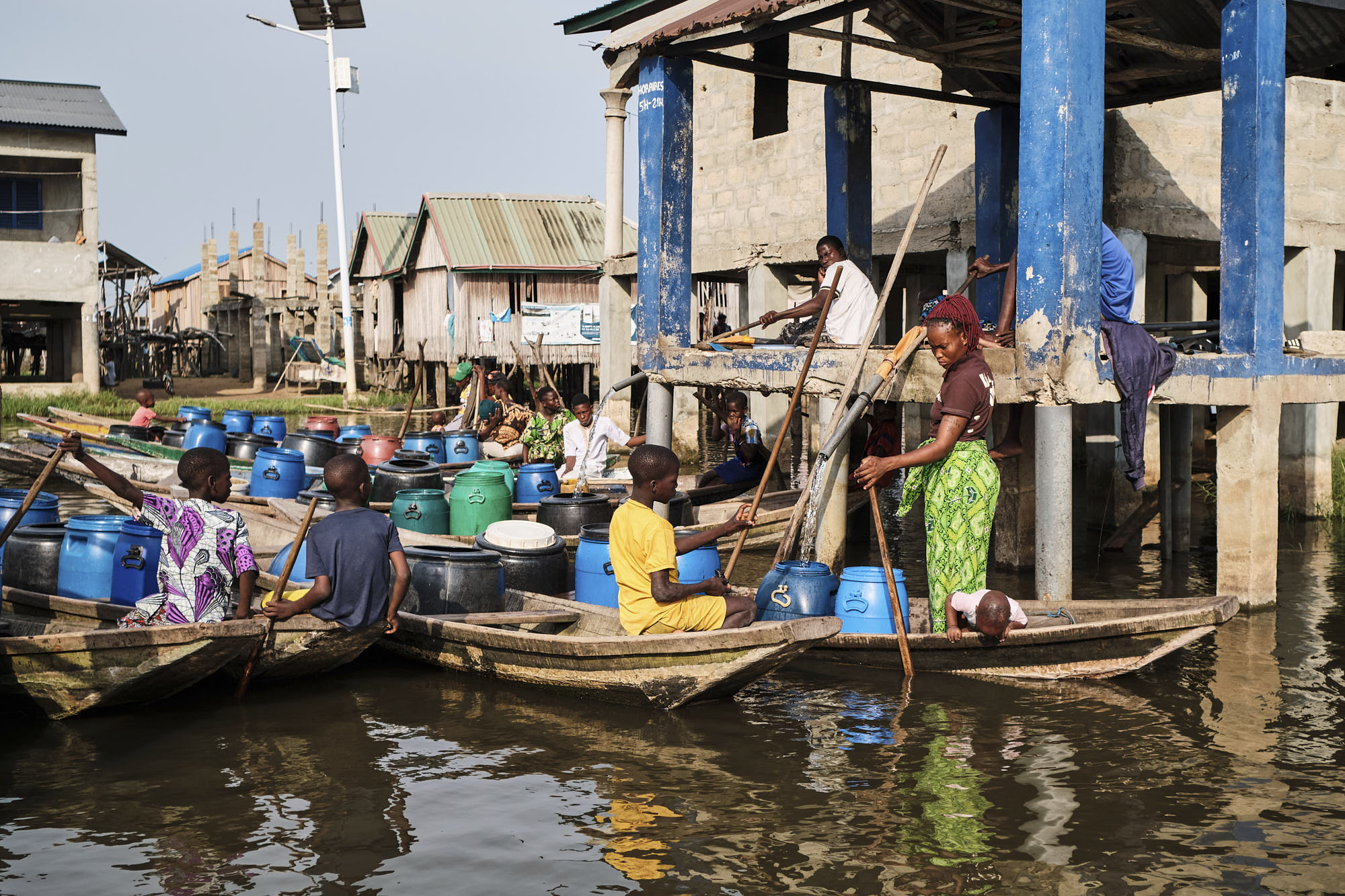
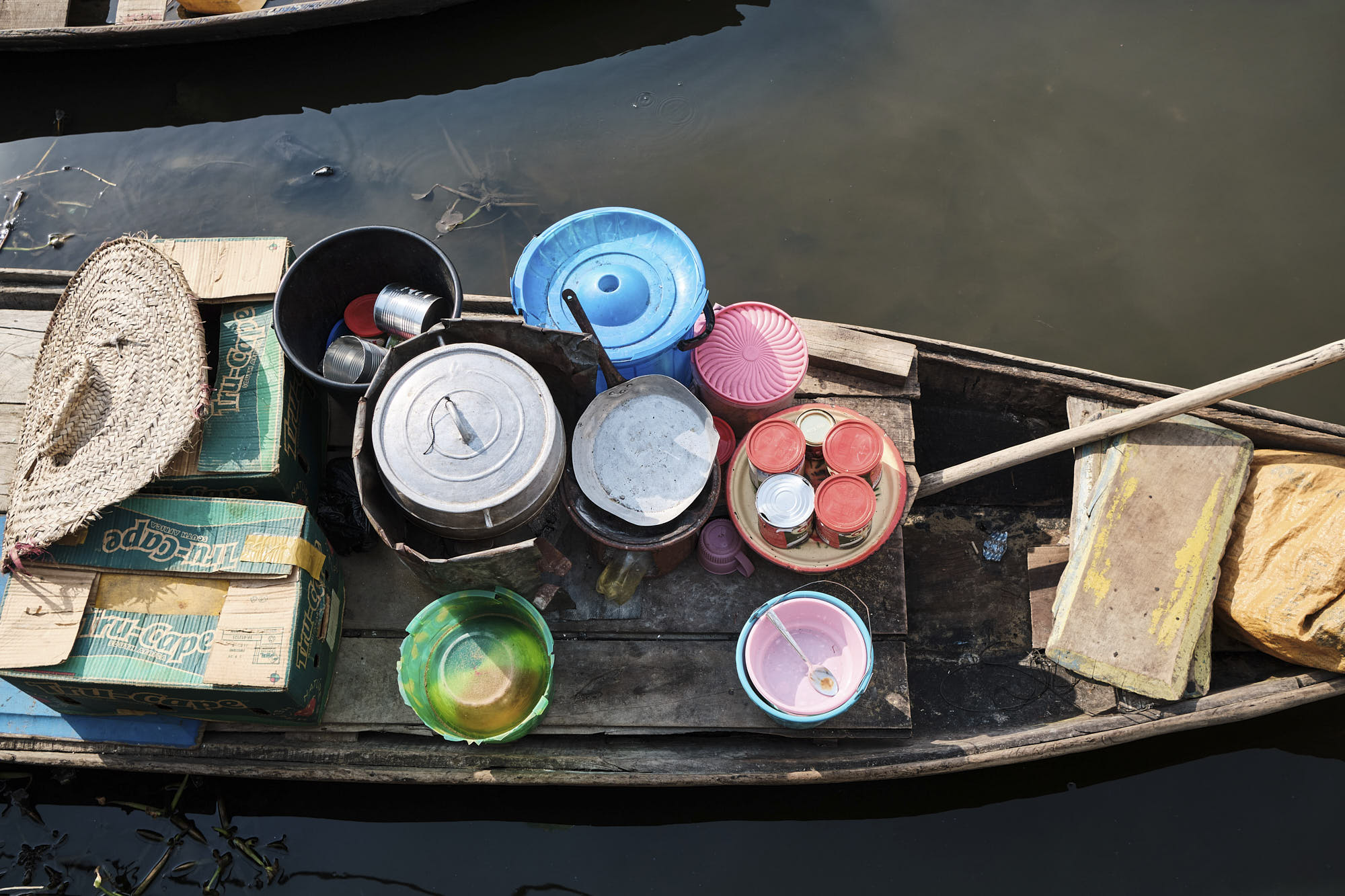
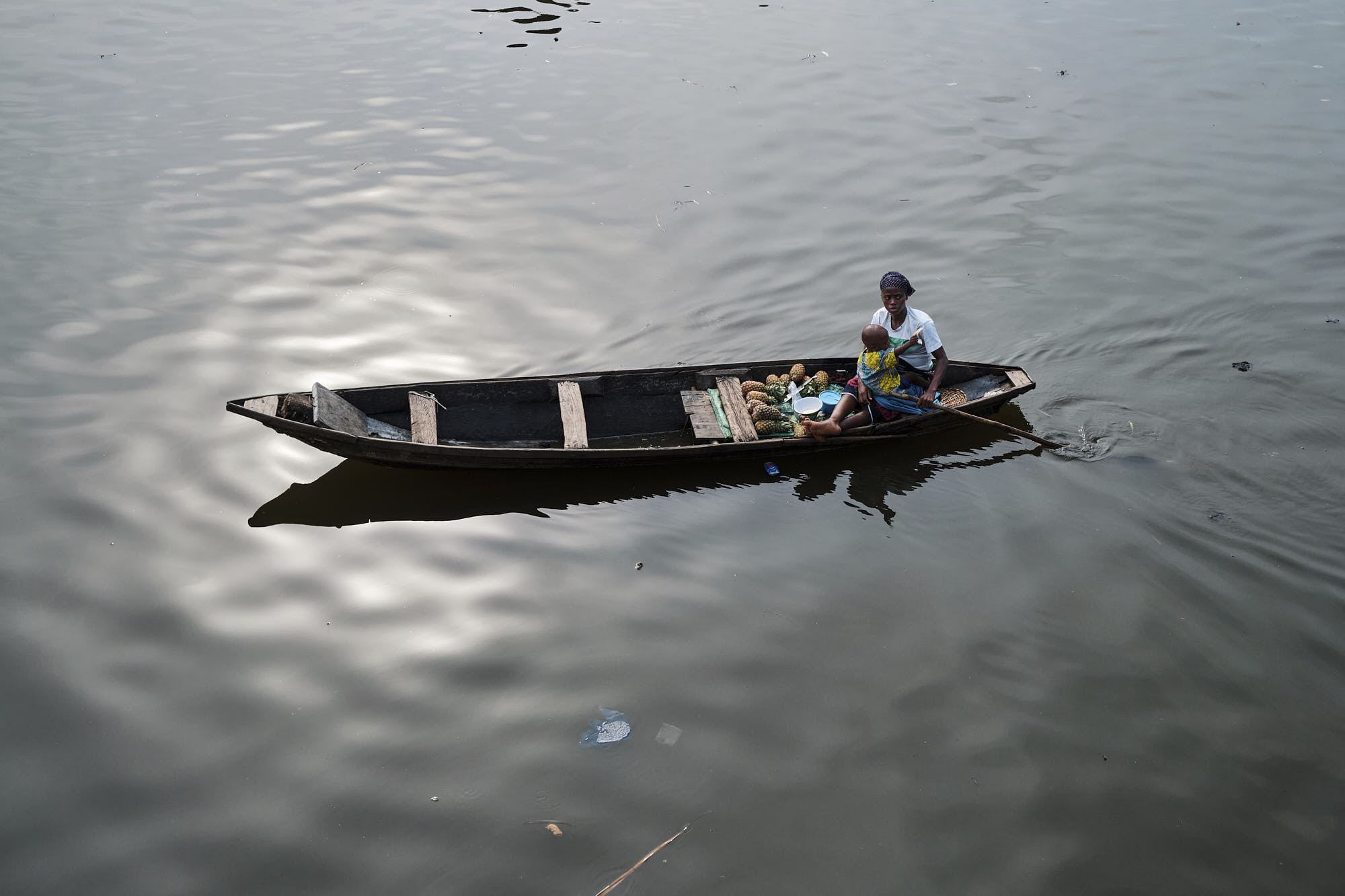
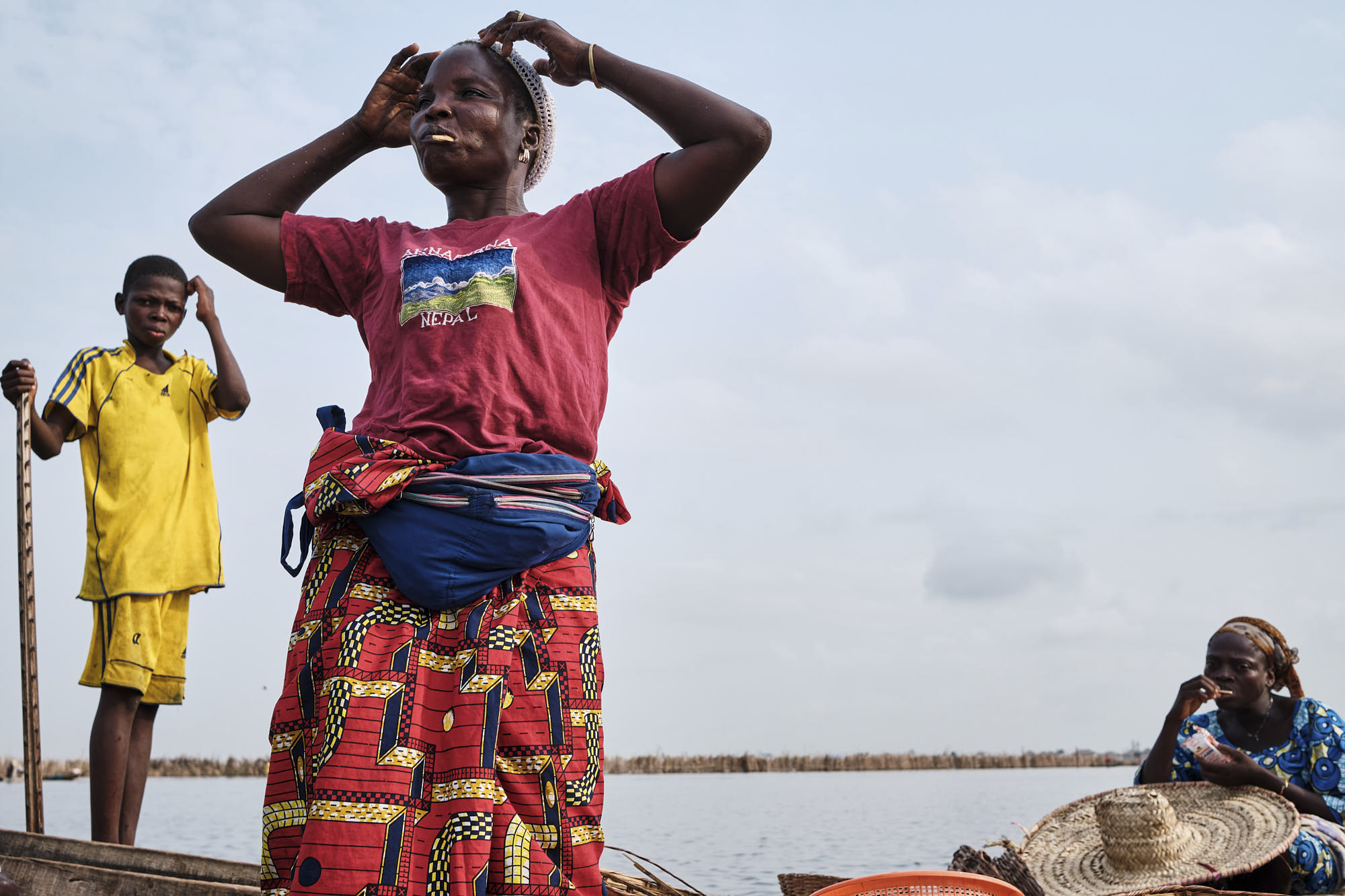
In Ganvié, almost all activities, from shopping to cooking, take place in canoes. Many families own three: the father’s fishing canoe, another to serve as the mother’s market stall, and a third for errands like taking children to school.
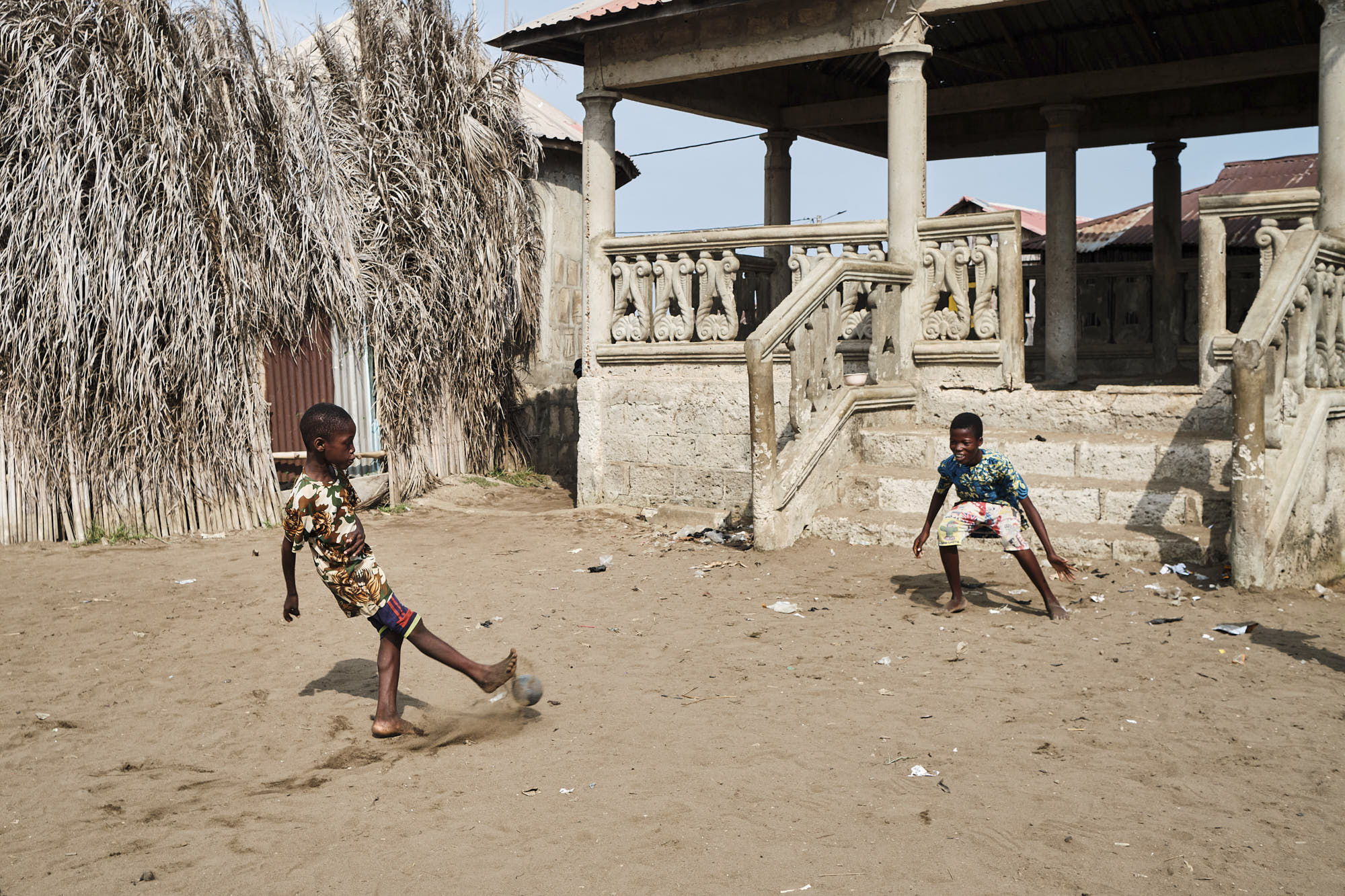
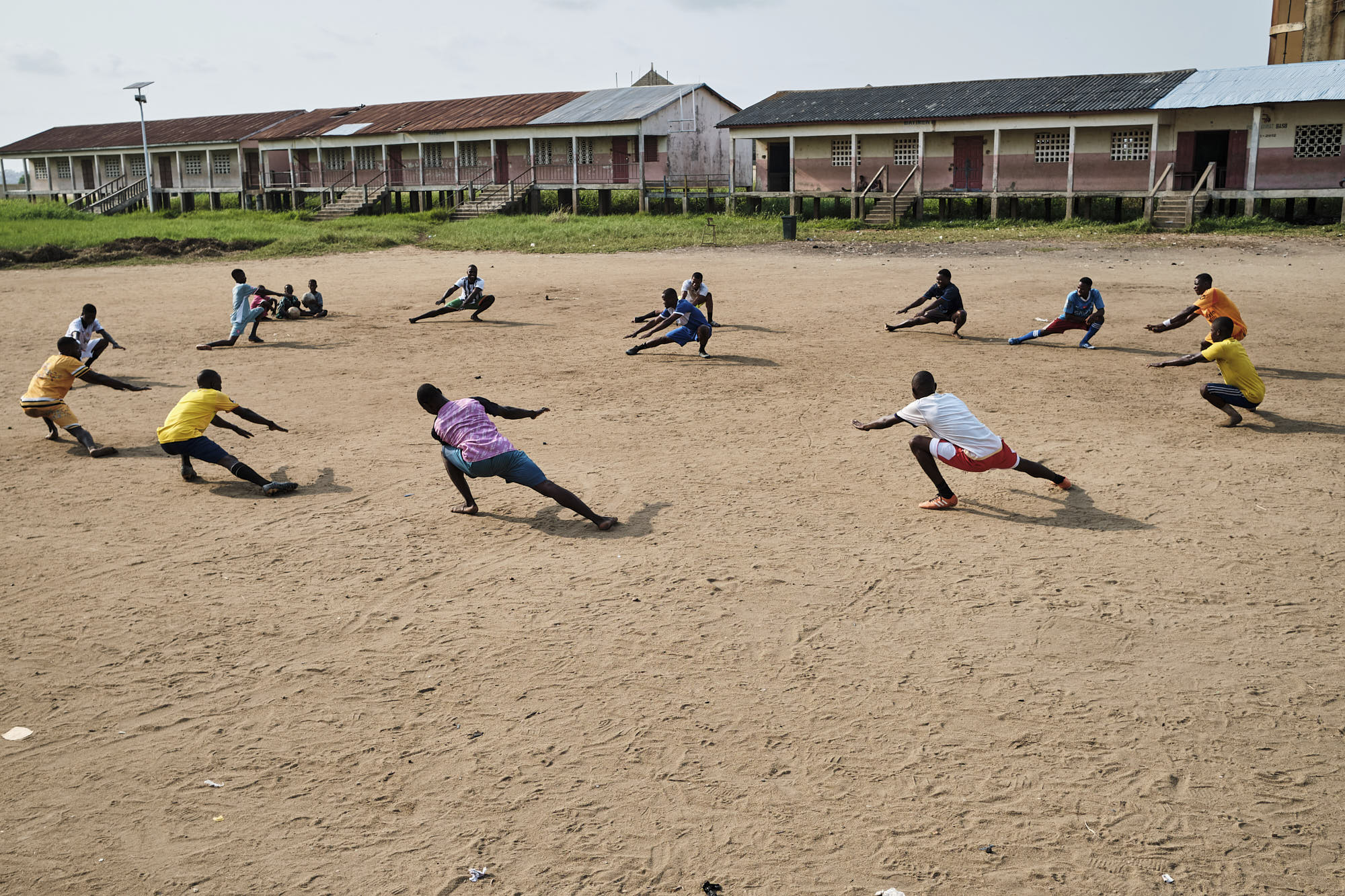
Children in Ganvié seem to possess an innate ability to paddle, learning by observation. The same goes for their seemingly universal ability to swim.
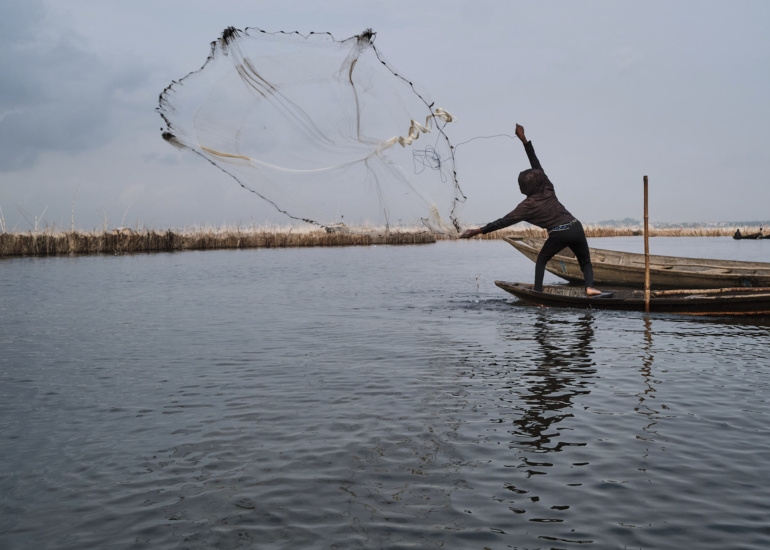
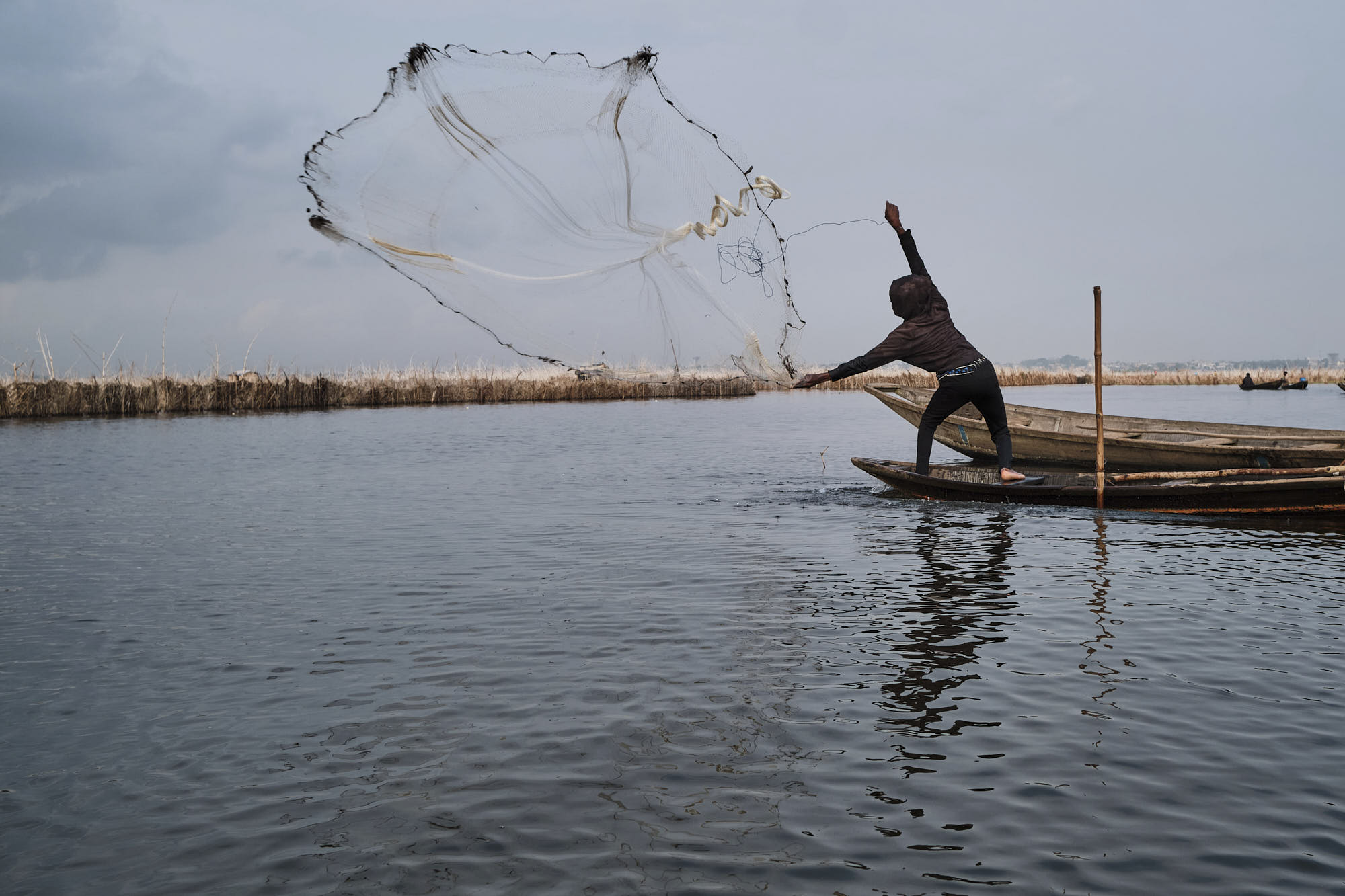
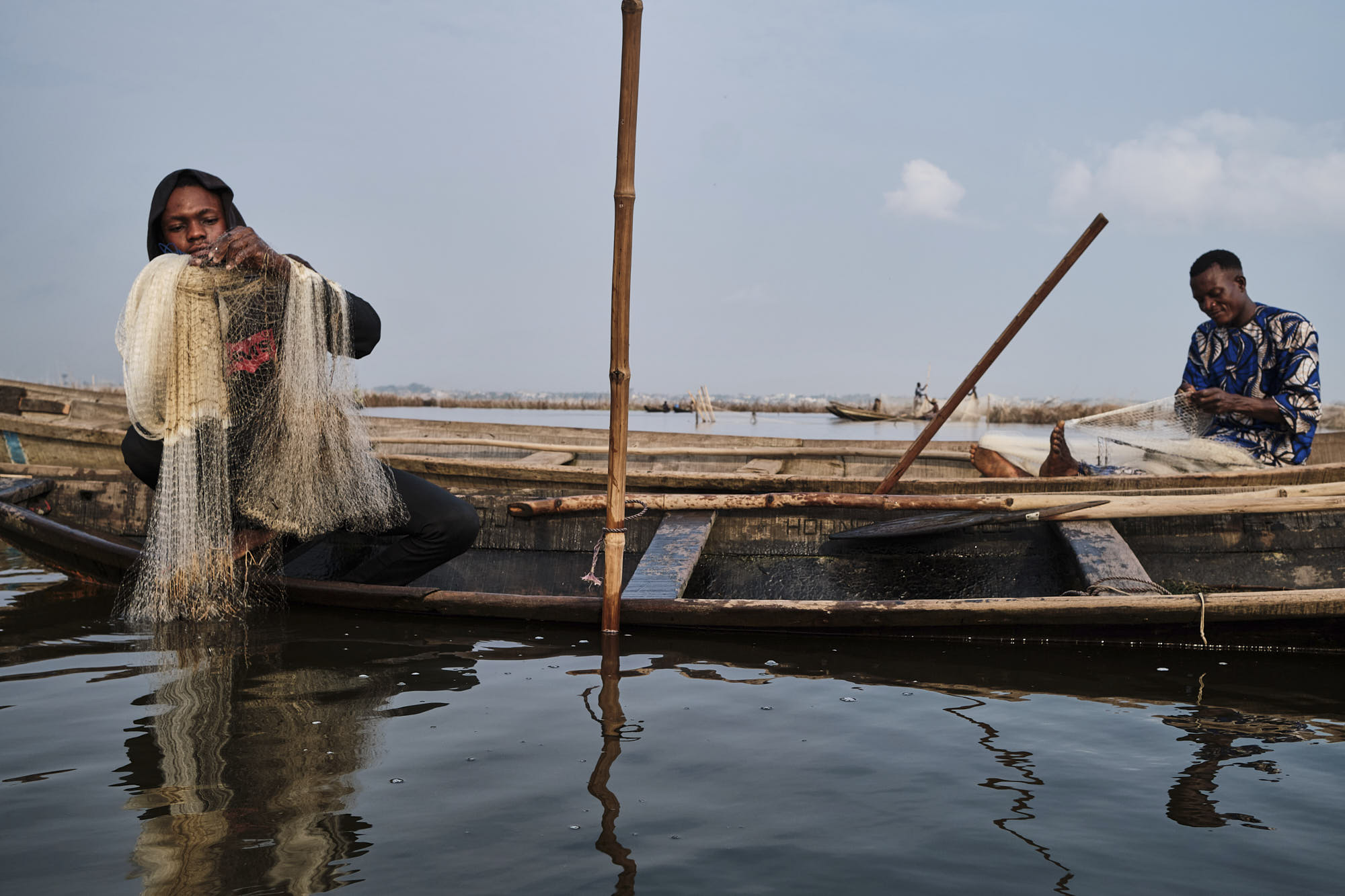
Traditionally, Ganvié men worked as fishermen but their options have expanded to working in the floating village’s tourism sector as guides and tour boat crews or makers of memorabilia. The village receives about 70 tourists a week. Read more